
 Cindi DavisonLicense ID:174753
Want to Avoid Expensive
Repair Negotiations
Home Inspection Information
What is a Home Inspection?
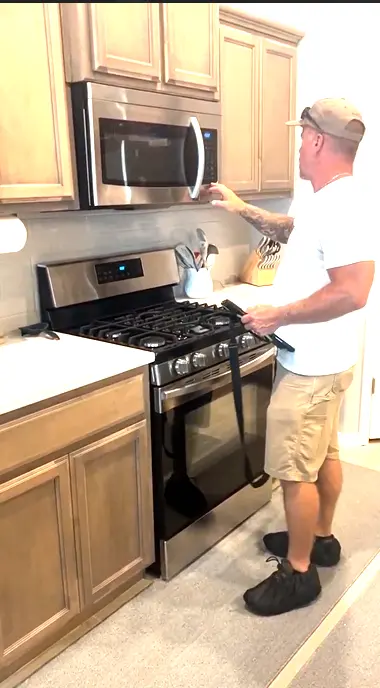
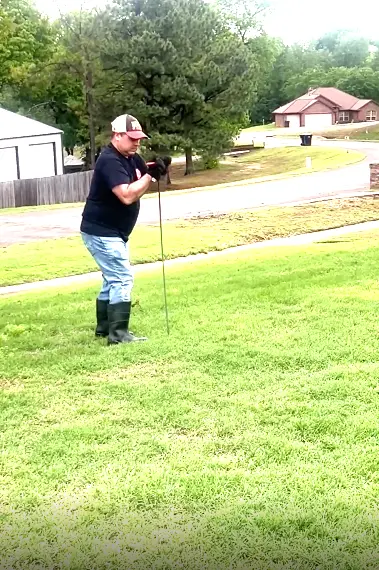
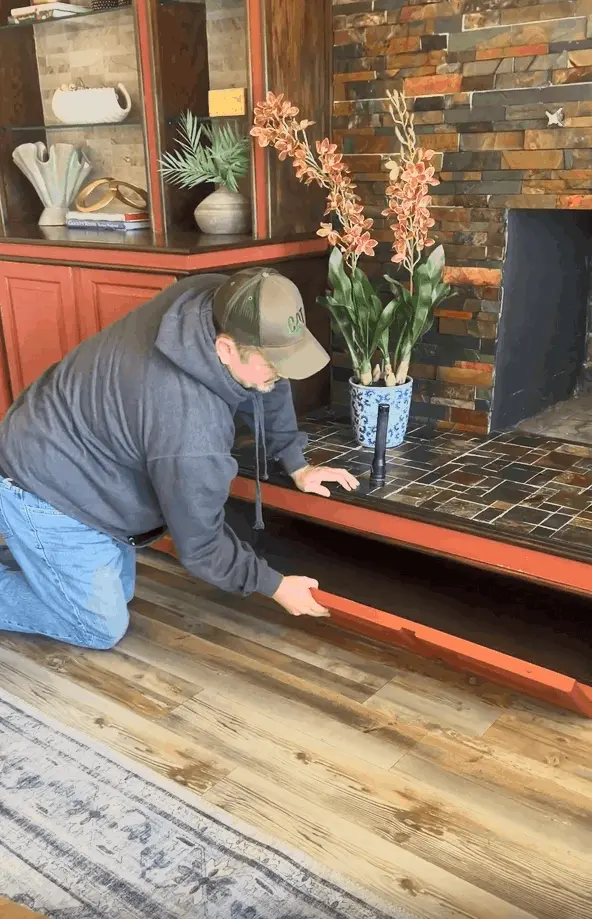
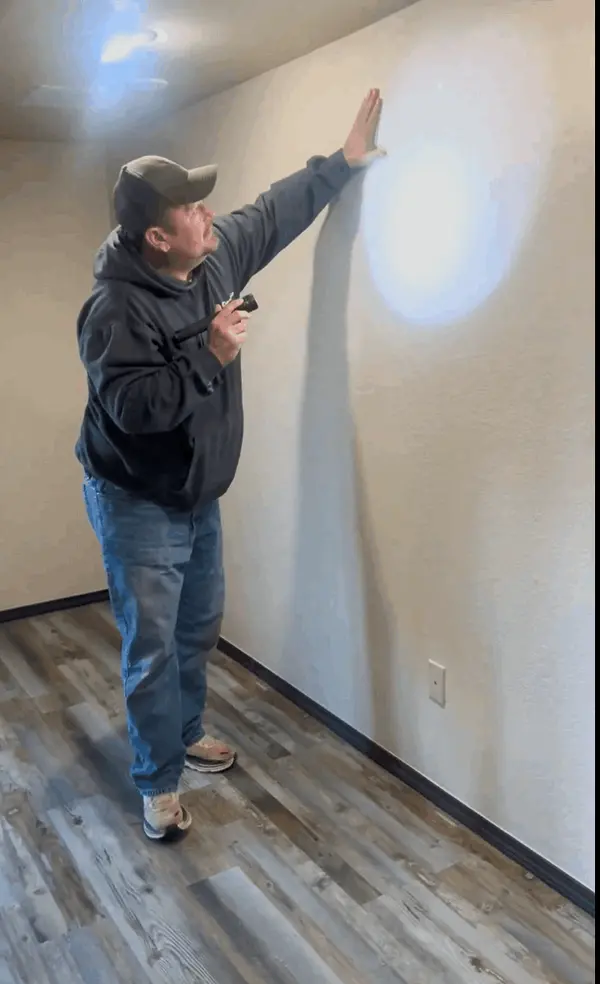
A home inspection is a thorough visual examination of the readily accessible components of a home. It is designed to provide you, the buyer, with a better understanding of the property's condition at the time of the inspection. The inspection is performed by a qualified home inspector who looks for potential problems and safety concerns.
Why is a Home Inspection Important?
A home inspection can help you make an informed decision about purchasing a home. It can:
- Identify potential problems: Discover issues that may require repair or replacement.
- Negotiate repairs: Use the inspection report to negotiate repairs with the seller.
- Avoid costly surprises: Prevent unexpected expenses after you move in.
- Ensure safety: Identify safety hazards that need to be addressed.
- Peace of mind: Provide you with confidence in your investment.
What Does a Home Inspection Cover?
*Roof * Exterior *Foundation *Heating
*Cooling *Plumbing *Electrical *InteriorA standard home inspection typically includes examination of these systems:
- Roof coverings, gutters, and downspouts
- Siding, windows, doors, and trim
- Foundation walls, slabs, and crawlspaces
- Furnace, air conditioner, and ductwork
- Pipes, fixtures, and water heater
- Wiring, panel, and outlets
- Walls, ceilings, floors, and stairsWhat a Home Inspection Doesn't Cover
It's important to understand the limitations of a home inspection. It typically does not include:
- Cosmetic issues: Minor scratches, dents, or outdated finishes.
- Hidden problems: Issues concealed behind walls or under floors.
- Environmental hazards: Mold, asbestos, or radon testing (these usually require separate specialized inspections).
- Code compliance: Verification that the home meets current building codes.
- Appraisal: Valuation of the property.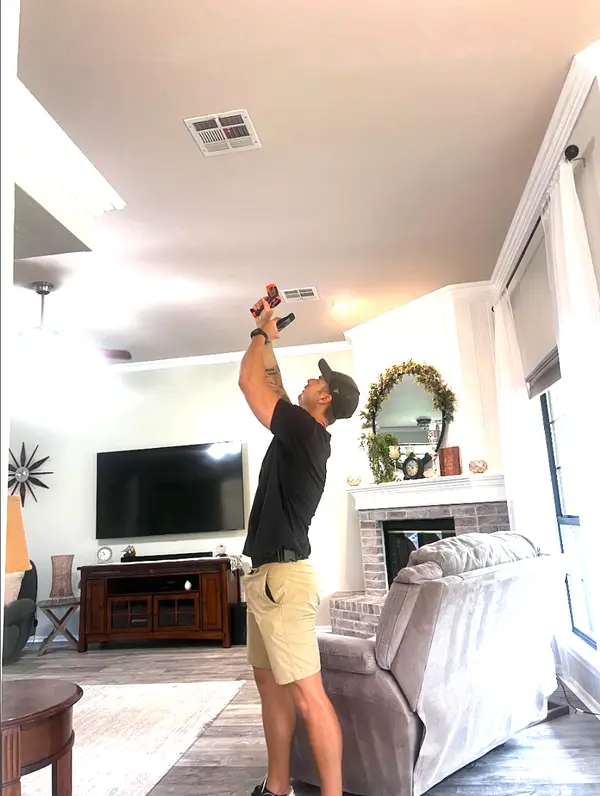
Choosing a Home Inspector
Home Inspection Prep
🔑 Access & Day-Of Prep
What Happens After the Inspection?
Cindi Davison
I am dedicated to providing exceptional, personalized service for all of my clients. I take great pride in the relationships I build and always work relentlessly on my client’s behalf to help them achieve their real estate goals.
My approach to real estate is different. I do more than price your house low, snap some pictures with my phone and post on the MLS. I know that you deserve more. This is not the PTA Bake Sale, your house is your largest asset. I give this transaction the attention it deserves. I will help you prepare your home to be sold for the highest price possible, in the shortest amount of time with the least amount of hassle and life disruptions for the home seller.
I get it right… the first time!
800 W Rock Creek # 101, Norman, OK 73069, USA